
Artesana Foundation
Exhibitions, Curatorial and Research Projects
The foundation works at the crossroads of performance, visual arts, and social practice, fostering projects that challenge dominant narratives and amplify underrepresented voices.
Exhibitions
2026 Exhibitions in Quito, Ecuador and New York City
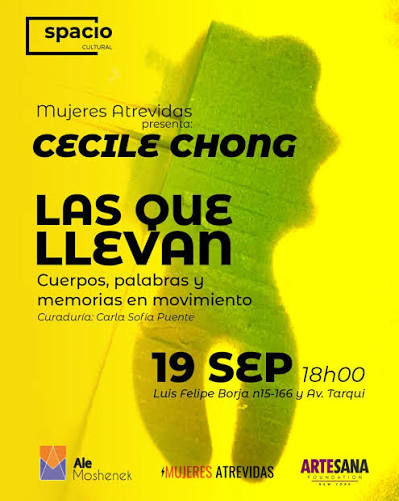
Cecile Chong
“Las que llevan”
Artesana Foundation, in collaboration with Mujeres Atrevidas, Spacio Cultural, and Ale Moshenek, presents an exhibition by Ecuadorian-American artist Cecile Chong in Quito.
The exhibition explores themes of identity, migration, memory, and cultural belonging, bringing Chong’s multidisciplinary practice into dialogue with Ecuador’s contemporary art community.
Also presented an artist talk in Centro Cultural Metropolitano de Quito.
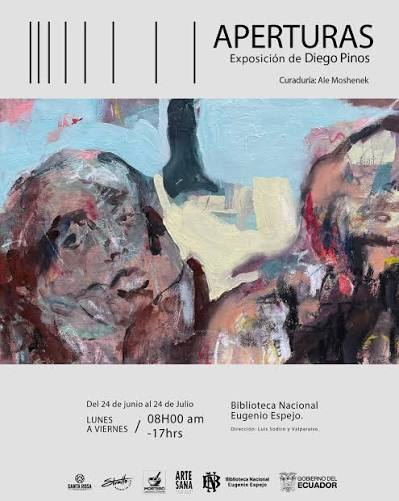
Diego Pinos
“Aperturas”
Diego Pinos’ exhibition invites audiences to engage with a powerful body of work that traverses layers of identity, emotion, and contemporary experience.
Diego Pinos art exhibition in Quito, Ecuador. Biblioteca Nacional del Ecuador.
Michelle Meneses
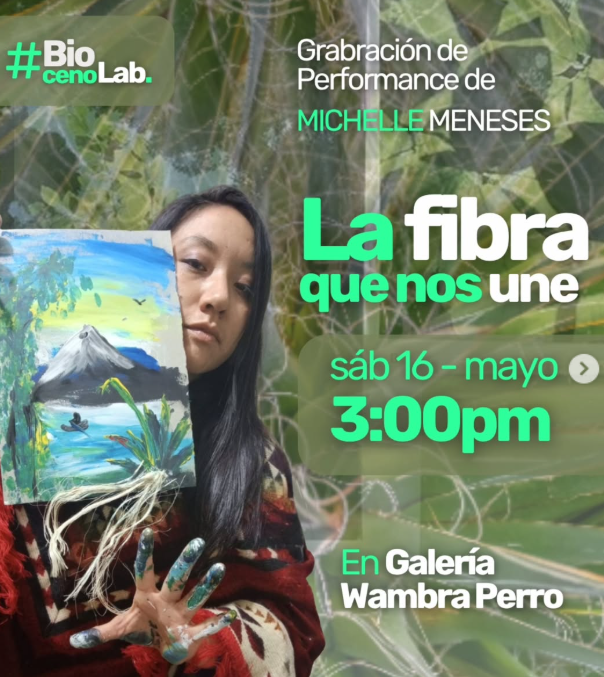
“La fibra que nos une”
Michelle Meneses art exhibition in Quito, Ecuador. Wambra Perro Gallery / Online exhibition.
ANNUAL EXHIBITION
Resilient Roots 2026
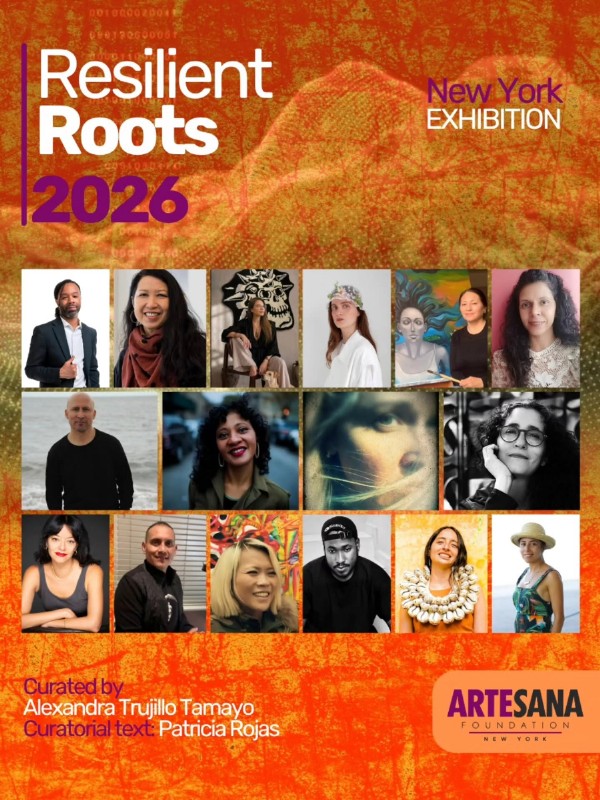
ANNUAL EXHIBITION
Resilient Roots 2026
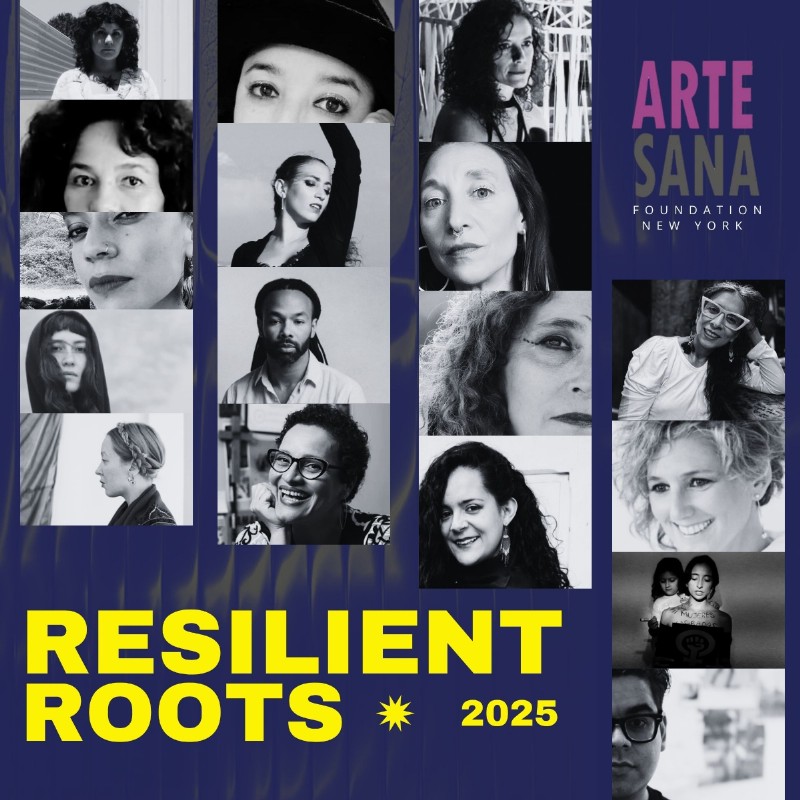
Resilient Roots 2026 brings together 16 artists from New York, Ecuador, Argentina, Venezuela, France, Jamaica, Japan, Colombia, and Nigeria in an exhibition exploring memory, migration, identity, and the resilience required to grow in new soil.
Curated by Alexandra Trujillo Tamayo, with a curatorial text by Patricia Rojas, and organized by Artesana Foundation.
LOCATION
Open Eyed Studios, Room 183
16-39 Centre St, Ridgewood, NY 11385
PUBLIC PROGRAM
- Opening Night: Wednesday, November 18 | 6–10 PM
- Artist Talk: Saturday, November 21 | 6–8 PM With Coralina Rodríguez Meyer, Jodie Lyn Kee-Chow, Carole Pelé, María Fernanda Hubeaut, and Stephanie Paucar.
- Guided Exhibition Visit: Wednesday, November 25 | 5–6 PM
- Closing Reception: Saturday, November 28 | 6–9 PM
Annual Art Exhibition
Resilient Roots 2025
Resilient Roots is a transnational ecofeminist curatorial platform that connects Latin American and U.S.-based Latinx artists working at the intersection of body, territory, migration, and environmental memory. As a curatorial proposal, it is conceived not simply as an exhibition, but as a living research framework.
The project foregrounds body-territory as methodology, positioning art as a way of producing knowledge rather than merely representing identity. Artists develop works that address environmental justice, extractivism, gendered migration, and the politics of care, situating Latinx experience within hemispheric ecological debates.
Group Shows
“Flesh Spa”
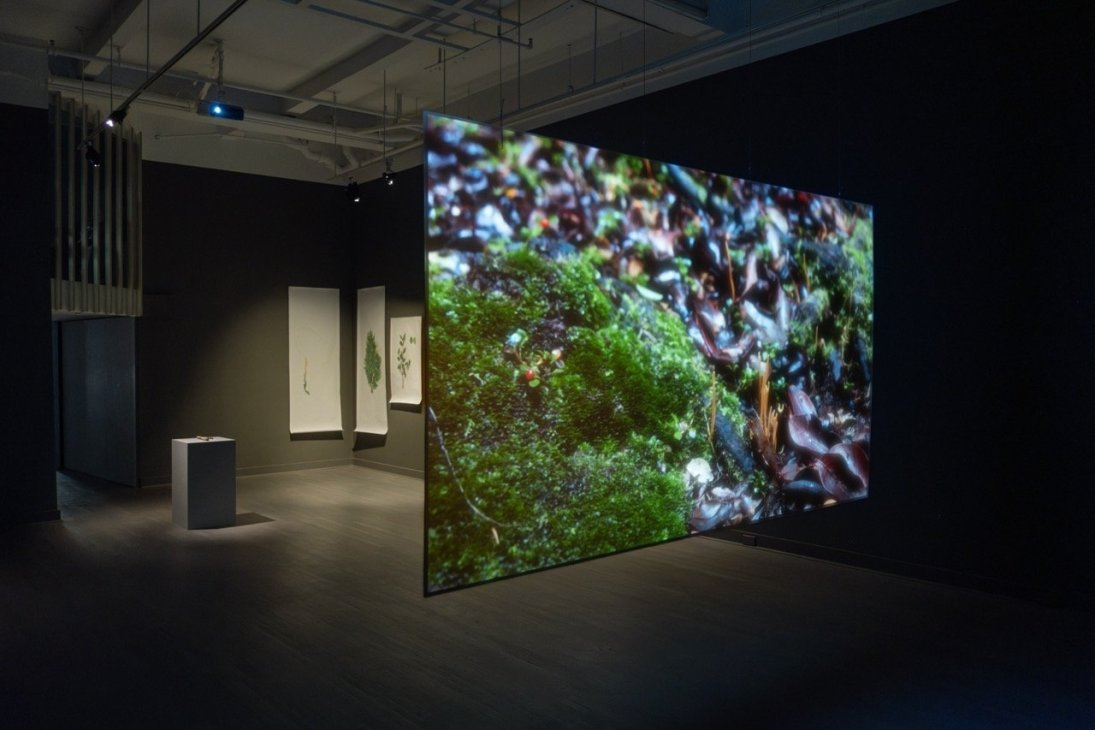
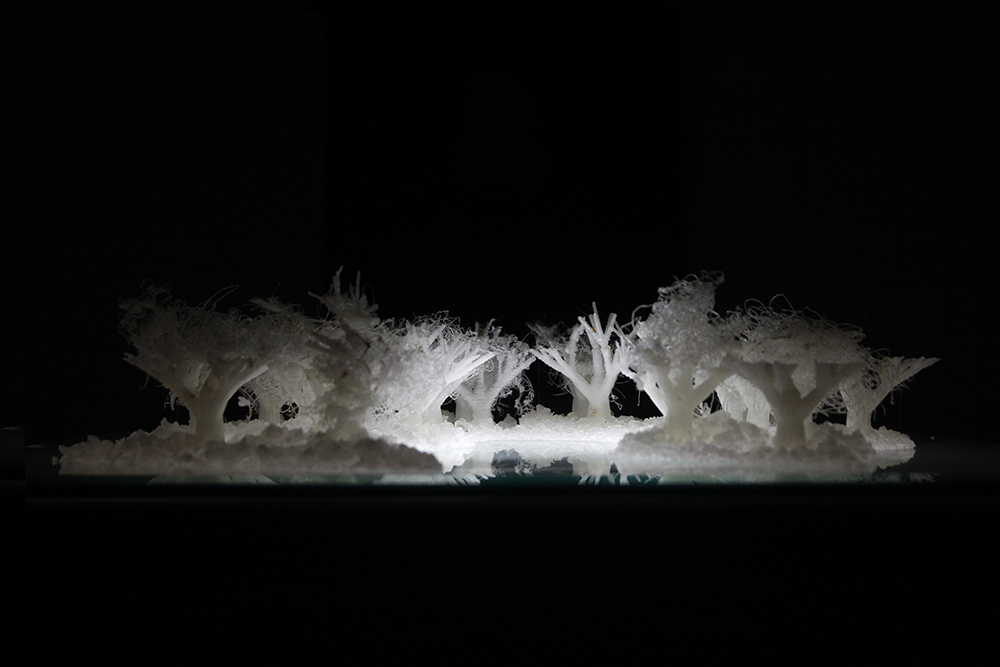
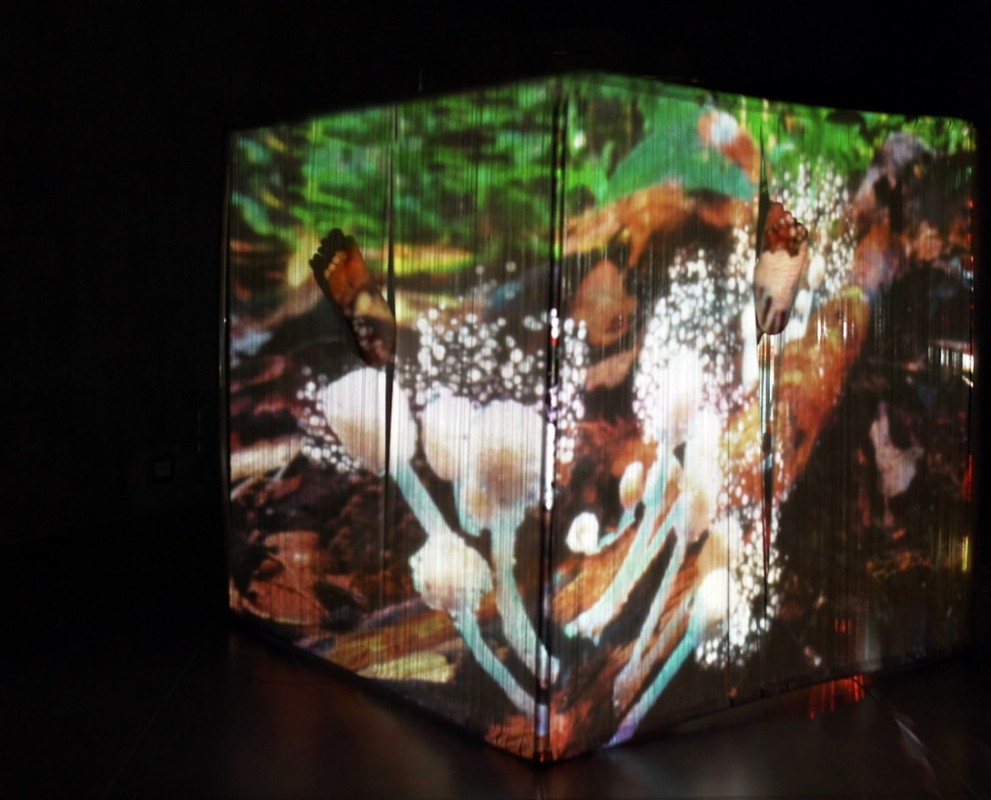
Flesh Spa delves into the provocative intersection where tension and calmness meet, transforming the familiar into something deeply alluring and unsettling. What soothes us can also irritate us, and sometimes the most profound relaxation is often tinged with underlying strain. This exhibition delves into the complexities of human sensation, asking whether discomfort can intensify relaxation and whether stress is an essential component of true calm.
“Cuerpas, Jornadas de Performance”
Cuerpas – Performance Art Series
Cuerpas was a performance art series organized by Artesana Foundation in collaboration with Colectivx Transhumanxs, and held at Arte Actual FLACSO in Quito, Ecuador. The series brought together artists to explore the body as a space of memory, identity, resistance, and transformation through performance and interdisciplinary practices.
Curatorial & Research Projects
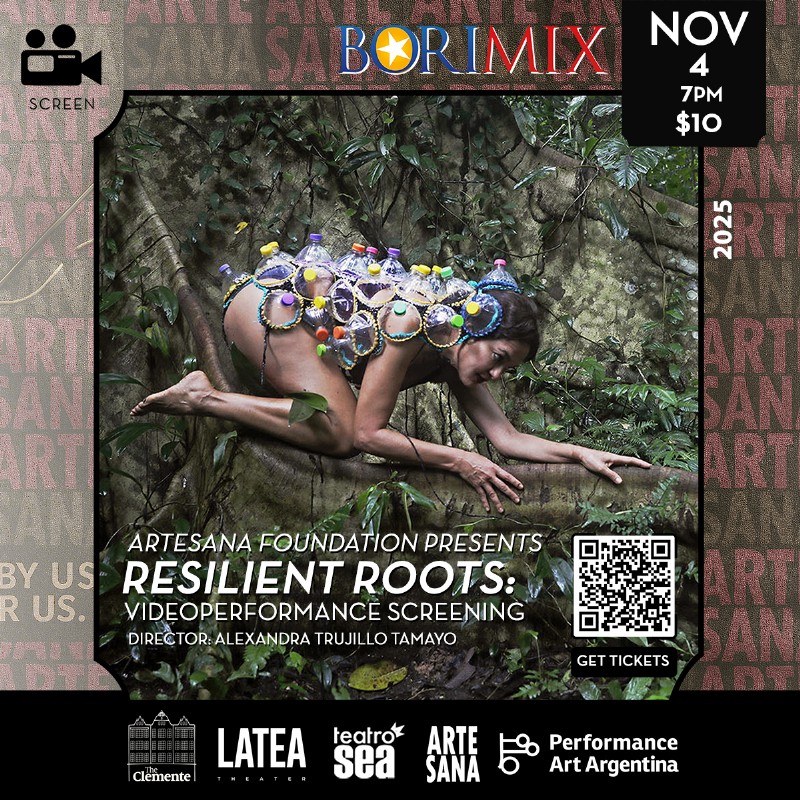
Resilient Roots: Ecofeminism in Videoperformance
Resilient Roots: Ecofeminism in Video Performance explores the profound intersection of ecofeminism and contemporary art through the lens of six prominent Latin American artists. Using video performance as a powerful medium, the exhibition delves into themes of environmental justice, sustainability, and gender equity. These works illuminate the intimate bond between women and the earth, challenging patriarchal and extractivist systems while inspiring reflections on more sustainable and equitable practices. This timely showcase amplifies underrepresented voices in the global environmental dialogue, fostering critical conversations about humanity’s connection to nature.
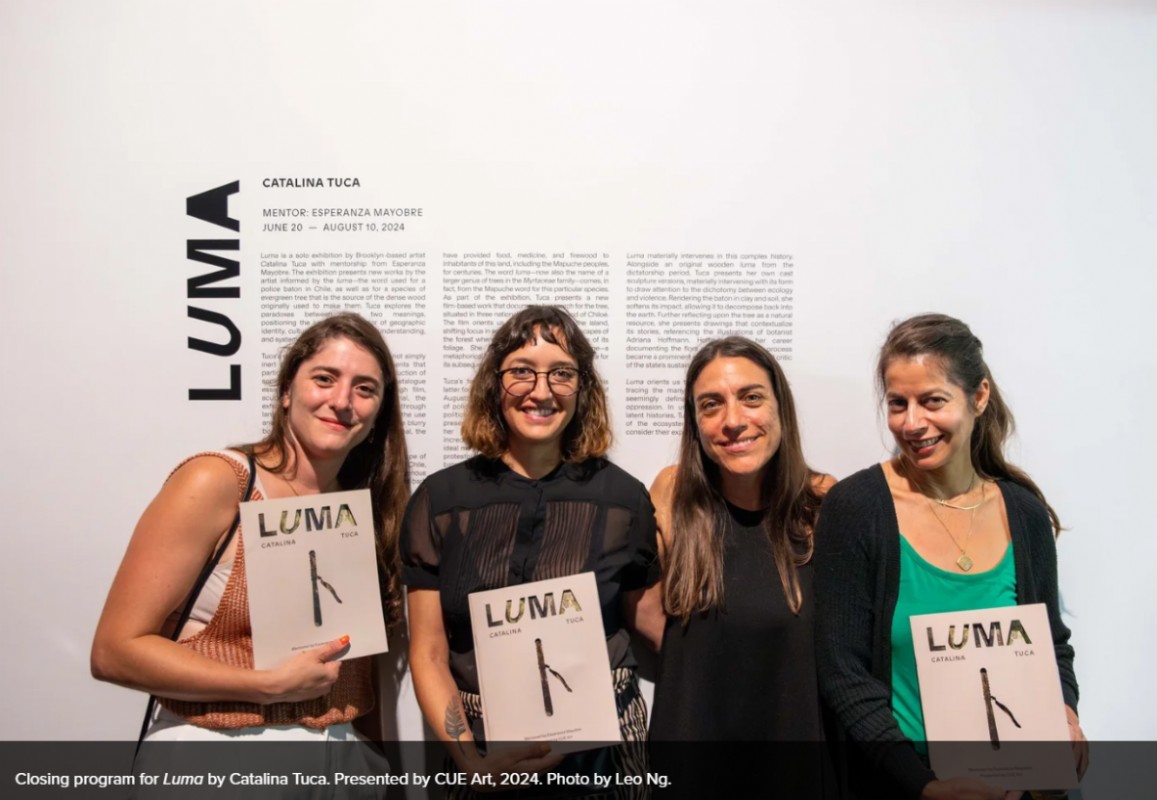
Luma: Between Memory and Contemplation
This essay was produced in conjunction with the exhibition Luma by Catalina Tuca, mentored by Esperanza Mayobre, and on view at CUE Art from June 20 – August 10, 2024. The text was commissioned as part of CUE’s Art Critic Mentorship Program, and is included in the free exhibition catalogue available at CUE and online.
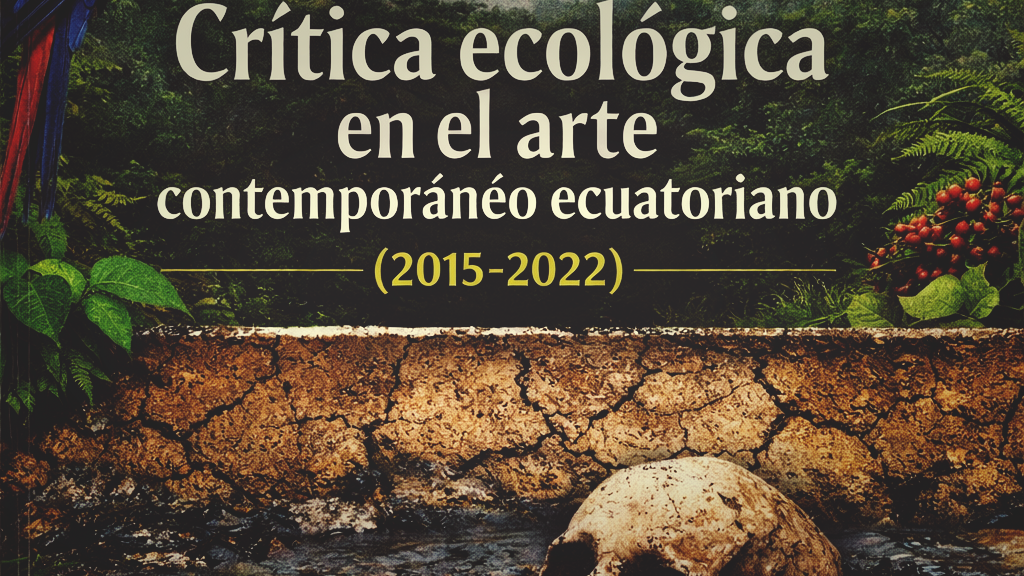
Ecological Criticism in Ecuadorian Contemporary Art (2015–2022)
This research, conducted by Alexandra Trujillo Tamayo as part of her Master’s degree in Communication with a major in Visuality and Diversities at the Universidad Andina Simón Bolívar, analyzes six multimedia works by Ecuadorian artists created between 2015 and 2022. Through an approach that combines political ecology, postextractivism and posthumanism, the study examines how these works address ecological critique, especially in relation to the conservation of Amazonian forests. The methodology includes interviews with the artists and an ethnographic analysis of the social, ecological and artistic processes involved in the creation of the works.
The Fungi Kingdom’s Communication Networks. Curatorial Models in Contemporary Art.
Research article about the mycelium network as a communication model that performs in works of art’s curation and the ubiquitous technology could be a way of understanding the referential phenomena that take place in artistic creation. We believe the process of artistic creation is rooted in a series of relational dynamics that, in their interaction with the contexts in which they are developed, generate curatorial proposals related in such a way that they expand various possibilities of aesthetic connection. We ask ourselves, beyond the use of technologies and referential dynamics in the field of art, which are the communication mechanisms that operate in contemporary art for producing works with conceptual and even aesthetic similarities within this specific historical-temporal framework?
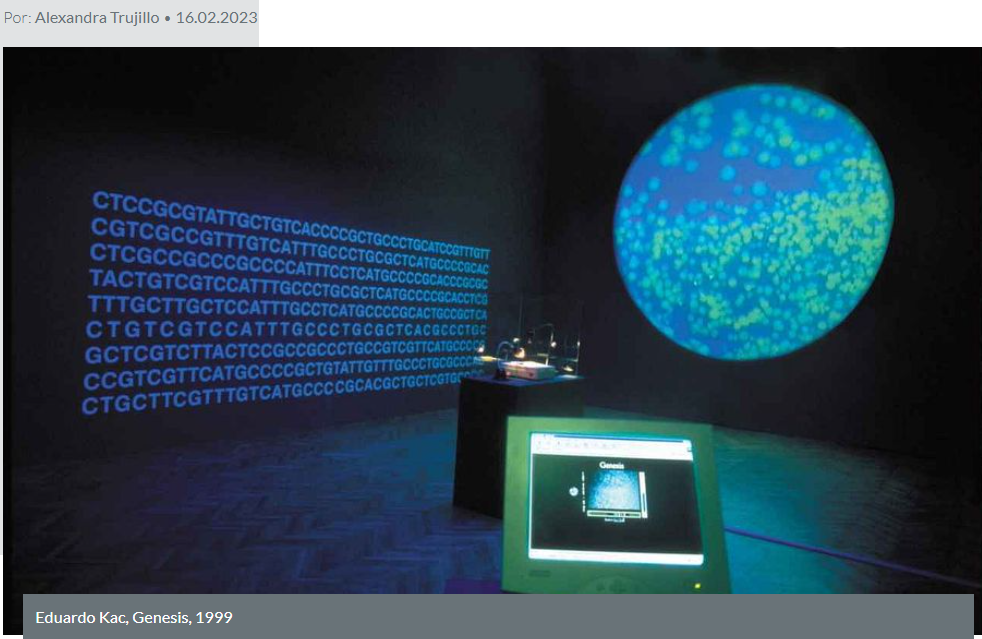
La performatividad de la naturaleza. De Eduardo Kac al bioarte en Ecuador
In this article, I explore the impact of Eduardo Kac, a pioneering Brazilian bioartist, on the development of bioart in Ecuador. Kac’s groundbreaking works, such as GFP Bunny, Genesis, and Edunia, blend biotechnology, performance, and art, challenging ethical boundaries and fostering interdisciplinary dialogue. Since the 1980s, Latin American artists have delved into themes of body liberation, nature, and technology, with Kac’s influence notably shaping contemporary Ecuadorian bioart. This analysis highlights the intersections of performativity, technology, and nature, examining how Kac’s work has informed local artistic practices and bioethical debates.
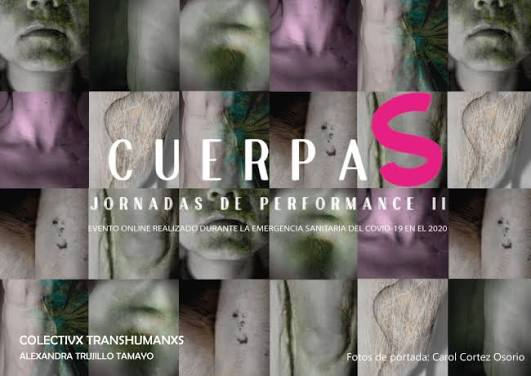
Cuerpas, Performance Journeys
Cuerpas, Performance Journeys is a profound exploration of video art and performance, focusing on the LGBTIQ+ community in Ecuador. Showcased at Arte Actual Flacso, this project amplifies diverse narratives and fosters critical dialogue on identity and resilience. Rooted in Ecuador’s rich socio-cultural context, “Cuerpas” transcends traditional artistic boundaries, merging performance and video art to challenge norms and celebrate diversity. This initiative underscores the transformative power of art, offering a reflective and inclusive platform for marginalized voices. For more detailed background information, please refer to Arte Actual Flacso’s official website.